The 8 Best Compostable Diapers of 2026
A practical guide to the top eco-friendly, compostable or plant-forward disposable diapers for sensitive skin and low environmental impact
Quick Comparison: Top 8 Compostable Diapers
Our Top Picks
Detailed Product Reviews
Mama Bear Gentle Touch Diapers

Key Features:
- Hypoallergenic materials
- Leak guards and stretchy fit
- Made with some plant-derived materials
- Dermatologically tested
- Budget-friendly bulk pack
Why We Chose This:
Mama Bear Gentle Touch balances affordability, sensitive-skin formulation, and partial plant-based content, making it a pragmatic pick for families starting an eco-friendly switch.
✓ Pros
- Low price per diaper
- Gentle on sensitive skin
- Good leak protection
- Widely available
✗ Cons
- Not fully compostable
- Contains some synthetic components
🩺 Key Benefits:
- Reduced irritation: Hypoallergenic materials and fragrance-free liners lower rash risk.
- Cost savings: Bulk packs lower per-diaper cost compared with premium eco brands.
- Reliable fit: Elastic waist and side panels help prevent leaks.
- Lower plastic use: Plant-derived components reduce fossil-fuel plastic fraction.
⭐ Customer Review Highlight:
“Soft, leak-resistant and friendlier to my baby's skin than ordinary brands.” — Verified Amazon Customer
Earth & Eden Sensitive Baby Diapers

Key Features:
- No harsh chemicals or fragrances
- Dermatologist approved
- High-absorbency core
- Large value-count options
- Eco-minded packaging
Why We Chose This:
Earth & Eden combines a gentle, chemical-free formulation with strong absorbency and a higher percentage of plant-based materials, ideal for babies with reactive skin.
✓ Pros
- Chemical-free formula
- Excellent value in large pack
- Dermatologically approved
- Good absorption
✗ Cons
- Not fully industrially compostable
- Bulk size can be heavy to store
🩺 Key Benefits:
- Gentle on skin: Formulated without common irritants to reduce diaper dermatitis.
- Comfort: Soft topsheet and breathable design reduce chafing.
- Cost efficiency: Value-count packaging lowers ongoing diaper spend.
- Lower chemical exposure: Free from lotions, fragrances, and chlorine bleaching.
⭐ Customer Review Highlight:
“We noticed fewer rashes and great overnight dryness — a keeper for sensitive babies.” — Verified Amazon Customer
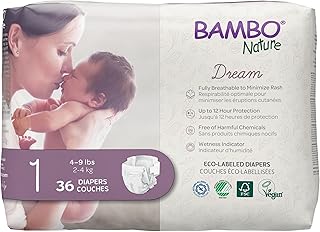
Bambo Nature Premium Eco-Friendly Diapers
Key Features:
- Nordic Swan and other eco certifications
- Soft plant-fiber topsheet
- Free from harmful chemicals
- Slim, absorbent core
- Good for newborns
Why We Chose This:
Bambo Nature is a consistently top-performing eco diaper with strong independent certifications, low-irritant materials, and dependable leak protection for newborns.
✓ Pros
- Verified eco credentials
- Very soft and breathable
- Excellent for sensitive skin
- Effective leak control
✗ Cons
- Higher price per diaper
- Smaller pack sizes increase shopping frequency
🩺 Key Benefits:
- Environmental credibility: Third-party eco labels confirm lower environmental impact.
- Skin safety: Minimal additives and soft materials reduce allergy risk.
- Performance: Absorbent core keeps baby drier longer.
- Newborn fit: Designed to fit small infants snugly and securely.
⭐ Customer Review Highlight:
“Premium feel and fewer blowouts — worth paying a bit more for peace of mind.” — Verified Amazon Customer
The Honest Company Comfort Dry Daytime Diapers

Key Features:
- Comfort Dry absorbency
- Hypoallergenic and fragrance-free options
- Stylish prints
- Sensitive-skin formulation
- Available in club-size boxes
Why We Chose This:
The Honest Company pairs a reputation for safer ingredient lists with effective daytime dryness and a soft, cloth-like feel — a solid premium mainstream eco option.
✓ Pros
- Gentle on sensitive skin
- Good daytime absorbency
- Attractive designs
- Trusted brand safety standards
✗ Cons
- Not fully compostable
- Price is higher than basic brands
🩺 Key Benefits:
- Comfort: Soft materials and breathable design increase comfort for daytime wear.
- Skin-friendly: Hypoallergenic formula reduces irritation risk.
- Reliable dryness: Absorbent core minimizes leaks during the day.
- Aesthetic: Fun prints make diapering more pleasant for parents.
⭐ Customer Review Highlight:
“They kept my baby dry for hours and look and feel premium compared to regular disposables.” — Verified Amazon Customer
Eco by Naty Plant-Based Diapers

Key Features:
- Natural plant-based materials
- Certified compostable elements where available
- Good fit for active toddlers
- Dermatologically tested
- Lower odor retention
Why We Chose This:
Eco by Naty emphasizes plant-based inputs and biodegradable elements, delivering a more circular option while still meeting fit and leakage standards for toddlers.
✓ Pros
- High ratio of renewable materials
- Designed for active toddlers
- Respects sensitive skin needs
- Lower environmental footprint
✗ Cons
- Higher cost
- Not always fully compostable in all facilities
🩺 Key Benefits:
- Renewable materials: Made largely from plant fibers rather than petrochemicals.
- Reduced landfill persistence: Biodegradable components break down faster under proper conditions.
- Good for active wear: Stretchy fit and strong leg cuffs reduce leaks.
- Lower scents: Minimal odor-trapping materials compared with some disposables.
⭐ Customer Review Highlight:
“Great eco-feel and they stay put during playtime — noticeably greener than standard brands.” — Verified Amazon Customer
Dyper Plant-Based Newborn Diapers

Key Features:
- Plant-based core materials
- Designed for day and overnight use
- Dermatologist-tested
- Soft, secure fit
- Certified compostable packaging in some SKUs
Why We Chose This:
Dyper focuses on plant-forward materials and strong leak protection, making its newborn line a practical alternative for families wanting compostable packaging and overnight reliability.
✓ Pros
- Good overnight performance
- Plant-based content
- Soft against newborn skin
- Smaller pack ideal for testing
✗ Cons
- Higher per-diaper cost
- Some components still synthetic
🩺 Key Benefits:
- Overnight dryness: Absorbent core reduces nighttime leaks and wake-ups.
- Plant-forward: Significant portion of fibers are plant-derived.
- Gentle on skin: Formulation minimizes common irritants.
- Trial-friendly packs: Smaller counts let parents test fit before committing.
⭐ Customer Review Highlight:
“Worked surprisingly well overnight and felt much softer than standard disposables.” — Verified Amazon Customer
Pura Organic Cotton Blend Diapers

Key Features:
- Organic cotton blend topsheet
- TCF pulp and reduced chemical processing
- Up to 12 hours leak protection
- Recyclable outer packaging
- Allergy UK endorsement
Why We Chose This:
Pura's focus on organic fibers, low-chemical pulp processing, and extended wear performance make it an excellent hypoallergenic, sustainable pick for heavier or overnight toddlers.
✓ Pros
- Organic cotton feel
- Long-lasting leak protection
- Lower chemical processing
- Credible allergy endorsements
✗ Cons
- Premium price
- Not fully home-compostable
🩺 Key Benefits:
- Hypoallergenic comfort: Organic cotton topsheet reduces skin irritation and allergies.
- Long wear: Up to 12-hour protection ideal for overnight or daycare.
- Lower chemical load: TCF pulp minimizes chlorine-derived residues.
- Sustainable packaging: Recyclable outer packs reduce plastic waste.
⭐ Customer Review Highlight:
“Soft as cotton and lasted all night without leaks — truly premium.” — Verified Amazon Customer
Hello Bello Premium Disposable Diapers

Key Features:
- Soft, cloth-like topsheet
- Hypoallergenic formulation
- Fun designs and large value pack
- Plant-based materials in core
- Good mid-range price
Why We Chose This:
Hello Bello offers a large-value pack with a cloth-like feel and a plant-forward core, giving parents a comfortable, budget-friendly option with some compostability benefits.
✓ Pros
- Excellent price for count
- Soft and comfortable
- Decent plant-based content
- Hypoallergenic
✗ Cons
- Not fully compostable end-to-end
- Slightly less premium leak protection than top-tier eco brands
🩺 Key Benefits:
- Affordable bulk: Value pack lowers running costs for busy families.
- Comfortable wear: Cloth-like topsheet improves skin feel.
- Reduced fossil-plastic share: Plant-based fibers reduce reliance on petrochemical plastics.
- Good for sensitive skin: Hypoallergenic ingredients lower irritation risk.
⭐ Customer Review Highlight:
“Large pack and soft feel — we saved money and my toddler stayed comfy all day.” — Verified Amazon Customer
Expert Recommendations
🎯 Who Should Consider Compostable Diapers?
- Eco-conscious parents: Want lower environmental impact without switching to cloth full-time.
- Parents of sensitive babies: Need hypoallergenic, fragrance-free materials to reduce rashes.
- Busy families: Want disposable convenience plus more sustainable materials.
- New parents testing options: Looking for trial pack options to evaluate fit and performance.
💡 Pro Tip:
Check local composting rules before assuming a diaper is compostable — many 'plant-based' diapers require industrial composting; save home compost for certified home-compostable items only.
⚠️ Important Note:
If your baby has persistent skin irritation or allergic reactions, consult your pediatrician or a dermatologist before switching diapers.
The Bottom Line
Compostable and plant-forward diapers vary in how much of their materials are actually biodegradable and whether they require industrial composting. Choose based on your baby’s skin needs, fit, and local composting capabilities.
Choose Bambo Nature Premium Eco-Friendly Diapers if:
Choose this if you want the most certified, lowest-chemical option with consistently strong performance.
Choose Mama Bear Gentle Touch Diapers if:
Choose this if you want a budget-friendly, hypoallergenic diaper with some plant-based materials.
Choose Pura Organic Cotton Blend Diapers if:
Choose this if hypoallergenic organic fibers and longer wear are your priorities — ideal for overnight use.
With the right balance of plant content, certifications, and fit, you can find a compostable-capable diaper that keeps baby comfortable and reduces environmental impact.
Frequently Asked Questions
Are compostable diapers fully biodegradable at home?
Most plant-based diapers need industrial composting; only a few products are certified for home composting. Check the brand's certification details and local composting facilities.
Do compostable diapers work as well as regular disposables?
Top eco diapers now match regular disposables on leakage and softness, though some may cost more or require testing for the best fit.
How should I dispose of used compostable diapers?
Follow brand guidance: if industrial composting is supported locally, use that. Otherwise, dispose of in regular waste to avoid improper home-composting contamination.
Are plant-based diapers safe for newborn skin?
Yes, many are formulated for newborns with hypoallergenic, fragrance-free materials, but always patch-test for your baby and consult a pediatrician if issues arise.
Will switching to compostable diapers save money?
Not usually; compostable or plant-based diapers often cost more per diaper, though value-pack options can narrow the gap.
Important Disclaimers
Affiliate Disclosure: We are a participant in the Amazon Services LLC Associates Program, an affiliate advertising program designed to provide a means for us to earn fees by linking to Amazon.com and affiliated sites.
Medical Disclaimer: This article is for informational purposes only and does not constitute medical advice. Always consult with a qualified healthcare professional before starting any treatment.


