
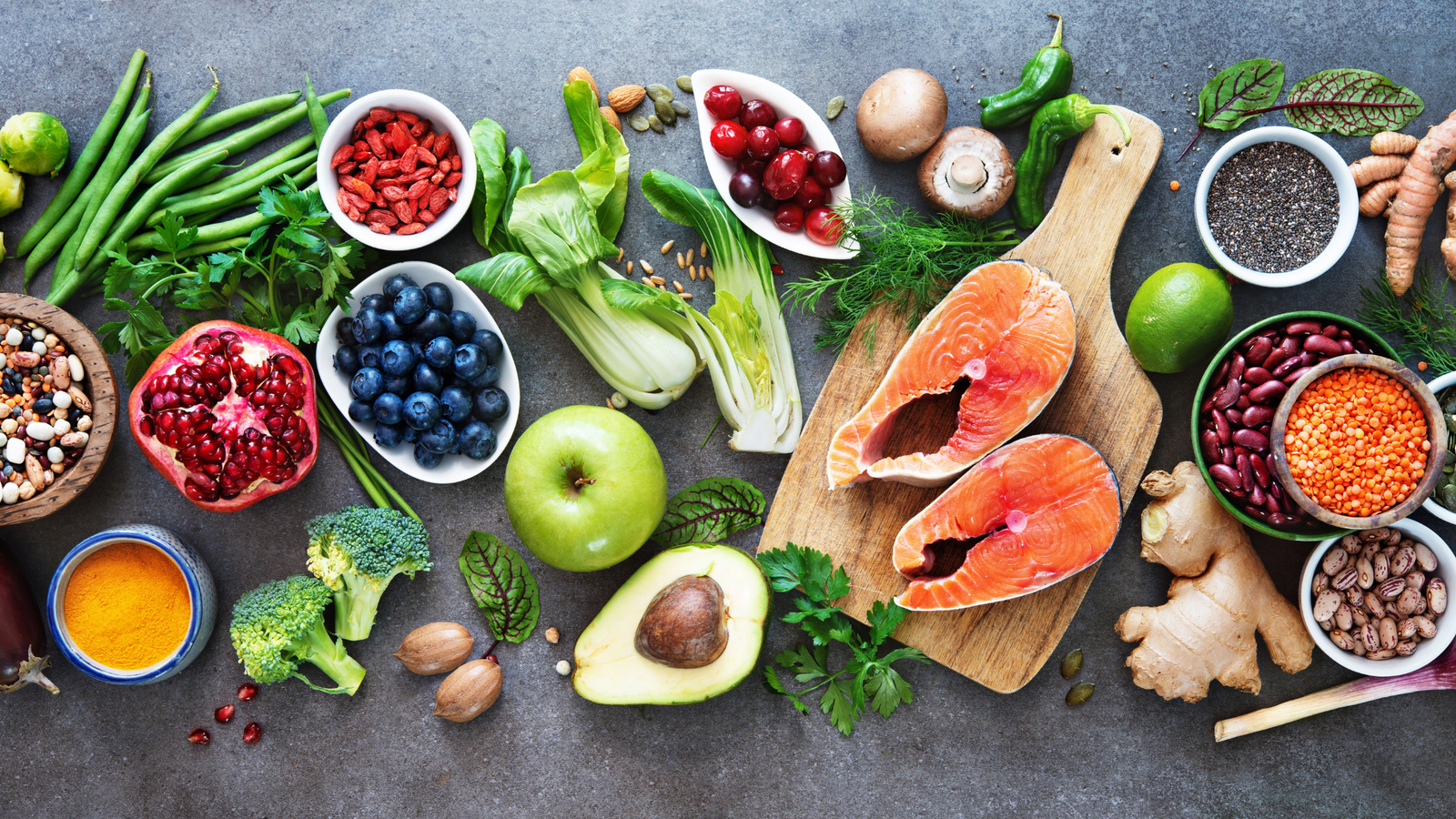
Healthy foods – Eating healthy seems like an obvious way to keep your body healthy and reduce the risk of disease. However, there are people who argue that you can get all the nutrients you need from a diet consisting entirely of processed foods like white bread, pasta and cereals because they exist in fortified varieties.
Others believe it is possible to get all the nutrients you need from natural, unprocessed foods such as fruit and vegetables. The healthy eating debate has been raging on for years without a clear winner. One thing’s for certain though: processed foods are not good for your health!
Whole grains – Whole-grains contain many different types of nutrients that work together to give us energy and keep our bodies healthy. These nutrients include minerals like magnesium, which is essential for over 300 chemical reactions in the body; B vitamins, which are important for converting food into energy; insoluble fibre, which helps to speed up digestion and reduce cholesterol levels; and antioxidants such as selenium and zinc – both of which help protect cells from damage and ward off disease.
Unsaturated fats – Unsaturated fats are found naturally in foods like avocados, nuts, seeds and oily fish, but in order to be healthy they need to be consumed in moderation. These types of fat are better for us than saturated fats on the whole, because they have been shown to lower blood cholesterol levels which can reduce your risk of heart disease and stroke.
Polyunsaturated fats – Polyunsaturated fats are a type of unsaturated fat that can reduce your risk of cardiovascular disease, and may even reduce the risk of cancer. These types of fats are often found in plant oils, as well as fish and seafood such as salmon, trout and sardines.
Whole foods – Eating whole (unprocessed) foods is one of the best ways to ensure your body receives a range of different nutrients which work together to give you energy and keep your body healthy. This means avoiding highly processed foods and choosing whole grains over refined grains; opting for lean meats, fish and vegetables instead of processed meats; switching to low-fat dairy products instead of full-fat varieties; and limiting how much added sugar you eat.
Protein – Protein is an important macronutrient which helps to maintain healthy muscles and bones, promote cell growth and repair, and produce hormones and enzymes that are essential for good health. Eating too much protein can lead to weight gain though so it’s important to stick within the 10% food energy guideline. You should aim for one or more servings of protein each day for breakfast, lunch and/or dinner.
Wholemeal cereals – Wholemeal (wholegrain) cereals are a good source of fibre which can help to lower cholesterol levels. They’re also often lower in fat than other types of cereal so they can be an effective way to reduce your intake of saturated fat.


