The 8 Best Composting Toilets for Tiny Homes of 2026
Practical, odor-free toilet solutions for tiny-home, van, boat and off-grid living
Quick Comparison: Top 8 Composting Toilets
Our Top Picks
Detailed Product Reviews
Nature's Head Self Contained Composting Toilet (Spider Handle Close-Quarter)

Key Features:
- Stainless steel and ABS construction
- Manual crank (spider handle) for small spaces
- Effective urine diversion reduces odor
- No electricity required
- Large composting chamber
Why We Chose This:
Nature's Head is a reliable, well-tested design that balances capacity, durability and odor control without electricity. It’s ideal for tiny homes that need a permanent, low-maintenance toilet.
✓ Pros
- Robust build quality
- Excellent odor control with urine diversion
- No power needed
- Serviceable parts
✗ Cons
- Higher upfront cost
- Requires occasional manual maintenance
🩺 Key Benefits:
- Off-grid readiness: Operates without electricity; ideal for solar or no-power setups.
- Odor control: Urine diversion and ventilation dramatically reduce smells when maintained.
- Low maintenance: Large solid chamber lets owners compost for weeks to months between cleanings.
- Durability: Marine-grade materials resist corrosion and wear in humid environments.
⭐ Customer Review Highlight:
“"Quiet, compact and no odor — exactly what my tiny house needed for full-time living."” — Verified Amazon Customer
BOXIO Mini Composting Portable Toilet (Made in Germany)

Key Features:
- Lightweight, portable design
- Simple urine diversion or separate liner option
- Made in Germany quality
- Fits tight spaces
Why We Chose This:
BOXIO’s compact portable model offers high build quality at an approachable price, making it a sensible first composting toilet for tiny-home owners or occasional off-grid use.
✓ Pros
- Low cost
- Easy to install and store
- Good for tight layouts
✗ Cons
- Smaller capacity
- Manual disposal required
🩺 Key Benefits:
- Affordability: Lower upfront cost lets beginners test composting systems without major investment.
- Space-saving: Compact footprint works in micro-bathrooms and vans.
- Portability: Can be moved or removed seasonally.
- Simple maintenance: Minimal parts and straightforward cleaning routine.
⭐ Customer Review Highlight:
“"Perfect for my weekend tiny cabin — lightweight, solid, and easy to clean."” — Verified Amazon Customer
Laveo Dry Flush Toilet (Waterless, Self-Contained)

Key Features:
- Completely waterless, odor-minimizing
- Sealed cartridge for mess-free disposal
- Easy to install, like an RV toilet
- Lightweight LDPE construction
Why We Chose This:
Laveo's dry-flush technology removes the need for composting bins and active compost management, giving tiny-home dwellers a clean, low-odor option with simple waste removal.
✓ Pros
- Hygienic sealed cartridges
- No composting knowledge required
- Easy to use and clean
✗ Cons
- Ongoing cartridge cost
- Not a true composting solution
🩺 Key Benefits:
- Hygiene: Sealed cartridges eliminate direct contact with waste.
- Convenience: Quick disposal without compost turnover or bulking agents.
- Space efficiency: Small footprint suitable for ultra-compact bathrooms.
- Water savings: Zero water usage compared with conventional toilets.
⭐ Customer Review Highlight:
“"Feels modern and clean — perfect for my off-grid tiny home when I don’t want to manage compost."” — Verified Amazon Customer
OGO Origin Composting Toilet (12V Agitator, Odorless)

Key Features:
- 12V agitator mixes solids to speed composting
- Integrated ventilation fan
- Compact 15" seat height
- Urine diversion reduces odor and moisture
Why We Chose This:
OGO’s electric-assisted design gives tiny homes and vans reliable odor control and faster breakdown with minimal manual effort — great if you have a small power system.
✓ Pros
- Active agitation improves decomposition
- Dedicated ventilation
- Compact footprint
✗ Cons
- Requires 12V power
- More moving parts to maintain
🩺 Key Benefits:
- Faster breakdown: Agitator helps aerate and mix waste for more efficient composting.
- Odor reduction: Urine separation and fan ventilation reduce ammonia and smell.
- Compact design: Small footprint fits tight van or tiny-home bathrooms.
- Power efficiency: Runs on 12V systems compatible with typical van solar setups.
⭐ Customer Review Highlight:
“"The fan and agitator make a real difference — less smell and less babysitting than I expected."” — Verified Amazon Customer
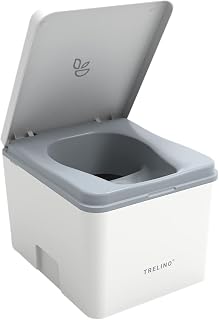
TRELINO Evo S Portable Composting Toilet (White)
Key Features:
- Two detachable receptacle capacities
- Odorless design with tight seals
- Lightweight and easy to store
- Simple waste separation
Why We Chose This:
TRELINO offers a practical, budget-friendly portable composting toilet with multiple receptacle sizes, well-suited for tiny homes used seasonally or as a backup toilet.
✓ Pros
- Multiple capacity options
- Affordable
- Simple, no-power operation
✗ Cons
- Smaller tank means more frequent emptying
- Not ideal for continuous full-time use
🩺 Key Benefits:
- Flexibility: Choose capacity based on household size and usage patterns.
- Odor control: Sealed lid and diversion options minimize smell.
- Ease of use: Lightweight and straightforward to empty and clean.
- Cost-effective: Lower price point compared with built-in composters.
⭐ Customer Review Highlight:
“"Great backup toilet — compact, tidy and easy to empty after a weekend away."” — Verified Amazon Customer
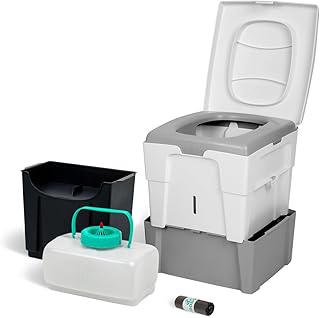
TROBOLO WandaGO Urine-Diverting Dry Toilet
Key Features:
- Ergonomic, height-adjustable seat
- Effective urine diversion channel
- Simple, tool-free assembly
- Durable, easy-clean surfaces
Why We Chose This:
TROBOLO WandaGO stands out for its thoughtful ergonomics and stylish design, making composting toilets feel less utilitarian for tiny-home owners who care about interior design and comfort.
✓ Pros
- Comfortable adjustable height
- Solid urine diversion
- Stylish appearance
✗ Cons
- Higher price than basic portables
- Requires bulking agent management
🩺 Key Benefits:
- Comfort: Adjustable height improves usability for different users.
- Odor prevention: Good urine separation cuts down on smell and moisture.
- Aesthetic: Modern look integrates well into finished tiny-home bathrooms.
- Low-tech: No electricity required, simple maintenance routines.
⭐ Customer Review Highlight:
“"Finally a composting toilet that doesn't feel like a compromise on comfort or style."” — Verified Amazon Customer
LEIFIDE Composting Sawdust (5.5 lb) — All Natural Bulking Agent

Key Features:
- Fine, low-moisture sawdust blend
- No chemicals or additives
- Designed to reduce odor
- Safe for indoor and outdoor composting toilets
Why We Chose This:
Good bulking agents are essential to the composting process; LEIFIDE’s sawdust mix is optimized to absorb moisture and speed aerobic decomposition, reducing odor and fly attraction.
✓ Pros
- Improves composting efficiency
- Natural and chemical-free
- Lightweight packaging
✗ Cons
- Requires storage space
- Needs replenishing regularly
🩺 Key Benefits:
- Moisture control: Sawdust absorbs excess liquid, preventing foul odors.
- Aeration: Bulking promotes airflow for aerobic decomposition.
- Natural: No chemicals; safe for eventual composting when allowed to cure properly.
- Pest reduction: Drying and covering solids helps deter insects.
⭐ Customer Review Highlight:
“"Makes a huge difference — less smell and easier mixing in my composting toilet."” — Verified Amazon Customer
YITAMOTOR Portable Camping Toilet with 20L Detachable Tank

Key Features:
- 20L detachable waste tank
- Double water spouts for manual flush
- Compact, foldable design
- Easy-to-empty waste cassette
Why We Chose This:
YITAMOTOR’s cassette-style toilet is the most affordable option here, providing a simple, familiar toilet experience for tiny-home owners who prefer easy disposal over active composting.
✓ Pros
- Lowest price
- Simple flushing action
- Removable tank for disposal
✗ Cons
- Not a composting system
- Requires water for flush or wet-wipe use
🩺 Key Benefits:
- Cost: Low upfront cost makes it accessible for budget builds.
- Familiar operation: Works like an RV cassette toilet — easy for guests to use.
- Portability: Lightweight and easy to move or store.
- Simple maintenance: Detachable cassette simplifies emptying and cleaning.
⭐ Customer Review Highlight:
“"Does the job for a seasonal tiny cabin — cheap, straightforward, no fuss."” — Verified Amazon Customer
Expert Recommendations
🎯 Who Should Consider Composting Toilets?
- Full-time tiny-home dwellers: Need reliable, low-maintenance off-grid sanitation solutions like self-contained composters.
- Van lifers & boat owners: Benefit from compact, odor-controlled units with low-power or 12V options.
- Weekenders and cabins: Often prefer portable or budget cassette/portable composting toilets for occasional use.
- Eco-conscious homeowners: Want to minimize water use and return nutrients via proper composting.
💡 Pro Tip:
Match the system to your household size and frequency of use — choose larger capacity self-contained units for full-time living and compact or cartridge systems for occasional use.
⚠️ Important Note:
Composting and dry toilets require following manufacturer maintenance and local regulations; when handling waste or matured compost, use gloves and follow sanitation guidance.
The Bottom Line
Choosing the right toilet for a tiny home means balancing space, power, maintenance and budget. The best option depends on how often you’ll use it and how much hands-on compost management you want.
Choose Nature's Head Self Contained Composting Toilet (Spider Handle Close-Quarter) if:
Choose this if you want a durable, proven self-contained unit for full-time tiny-home or boat living.
Choose Laveo Dry Flush Toilet (Waterless, Self-Contained) if:
Choose this if you want a waterless, low-contact solution and don’t mind cartridge costs.
Choose OGO Origin Composting Toilet (12V Agitator, Odorless) if:
Choose this if you have a 12V system and want active agitation and ventilation for van or tiny-home life.
Choose BOXIO Mini Composting Portable Toilet (Made in Germany) if:
Choose this if you need an affordable, compact, portable toilet for part-time or seasonal tiny-home use.
With the right match to your lifestyle, a composting or dry toilet can make tiny-home living cleaner, greener and more comfortable.
Frequently Asked Questions
Do composting toilets smell?
When installed correctly with urine diversion, ventilation and the right bulking agent, properly managed composting toilets are essentially odor-free for users.
How often do I need to empty a composting toilet in a tiny home?
Frequency depends on capacity and household size: small portable units may need emptying weekly, while larger self-contained units can go months between maintenance.
Can I use a composting toilet in cold climates?
Yes, but composting slows in cold temperatures; insulating the chamber or choosing electric-assisted models improves performance in colder months.
Is a dry-flush toilet the same as a composting toilet?
No — dry-flush uses sealed cartridges for disposal without composting; composting toilets biologically break down waste over time and often require bulking agents.
Do I need special permits to install a composting toilet?
Regulations vary by location — check local building and health codes before installation; many places allow composting toilets but have rules for disposal.
What's the best bulking agent?
Dry, carbon-rich materials like screened sawdust or coconut coir are commonly used to absorb moisture, maintain aeration and reduce odor.
Important Disclaimers
Affiliate Disclosure: We are a participant in the Amazon Services LLC Associates Program, an affiliate advertising program designed to provide a means for us to earn fees by linking to Amazon.com and affiliated sites.
Medical Disclaimer: This article is for informational purposes only and does not constitute medical advice. Always consult with a qualified healthcare professional before starting any treatment.


