The 8 Best Recovery Compression Sleeves for Runners of 2026
An empathetic, practical guide to faster recovery and reduced leg pain after runs, for recreational and competitive runners.
Quick Comparison: Top 8 Compression Sleeves
Our Top Picks
Detailed Product Reviews
BLITZU Calf Compression Sleeves (Footless)

Key Features:
- Graduated 15-20 mmHg compression
- Breathable, quick-dry fabric
- Footless design for easy layering
- Seamless toe area to avoid friction
Why We Chose This:
Reliable graduated compression at a low price makes these sleeves a strong everyday recovery option. They balance support, breathability, and affordability for runners on a budget.
✓ Pros
- Good compression for recovery
- Comfortable for long wear
- Machine-washable
✗ Cons
- Limited sizing options
- May slip on very muscular calves
🩺 Key Benefits:
- Reduced muscle soreness: Graduated compression helps reduce post-run DOMS by improving venous return.
- Shin splint relief: Firm calf support can lower discomfort from medial tibial stress.
- Improved circulation: 15-20 mmHg supports healthy blood flow during recovery.
- Travel-friendly: Lightweight and compressible for flights and races.
⭐ Customer Review Highlight:
“Wore these after long runs and noticed less calf tightness the next day.” — Verified Amazon Customer
CompressionZ Arm & Elbow Recovery Sleeves

Key Features:
- Cooling, moisture-wicking material
- UPF sun protection
- Stretchy, full-arm coverage
- Slim profile fits under clothes
Why We Chose This:
CompressionZ provides targeted arm support and cooling, ideal for runners who experience elbow or forearm strain from trail poles, pushing strollers, or strength training.
✓ Pros
- Lightweight and breathable
- Effective sun protection
- Comfortable compression
✗ Cons
- Not suited for high graduated leg compression
- One-sleeve pack limits value
🩺 Key Benefits:
- Elbow pain relief: Gentle compression reduces elbow tendon strain and swelling.
- Cooling effect: Moisture-wicking fibers lower skin temperature during recovery.
- Sun protection: UPF fabric guards against UV when training outdoors.
- Improved circulation: Light compression encourages blood flow in forearm muscles.
⭐ Customer Review Highlight:
“Helped reduce elbow ache after long trail runs and stayed cool in hot weather.” — Verified Amazon Customer
TheraCopper Copper Calf Compression Sleeve (Large)

Key Features:
- Copper-infused yarn for odor control
- Non-slip silicone cuff
- Breathable, stretchy knit
- Targeted calf support
Why We Chose This:
TheraCopper combines effective graduated compression with copper yarn to reduce odor and skin irritation, making it a top choice for runners who wear sleeves frequently.
✓ Pros
- Durable and stays put
- Copper helps reduce odor
- Comfortable for extended wear
✗ Cons
- Higher price than basic sleeves
- Sizing must be precise for best fit
🩺 Key Benefits:
- Odor control: Copper infusion reduces microbial growth and lingering smells.
- Muscle support: Consistent gradient compression aids recovery and reduces fatigue.
- Secure fit: Silicone cuff prevents slippage during activity and rest.
- Skin comfort: Breathable knit minimizes chafing and overheating.
- Longevity: Durable materials resist stretching over many wears.
⭐ Customer Review Highlight:
“Feels supportive and fresher than other sleeves after multiple weekly runs.” — Verified Amazon Customer
Copper-Infused Thigh Compression Sleeves (Pair, L)

Key Features:
- Thigh-length coverage for quads/hamstrings
- Anti-slip silicone band
- Copper infusion for odor control
- Breathable compression knit
Why We Chose This:
These thigh sleeves address a less-covered area in many compression roundups — providing focused support for quads and hamstrings after speed work or hill repeats.
✓ Pros
- Targets upper-leg muscle groups
- Anti-slip design
- Good breathability
✗ Cons
- Can feel tight in groin area if sizing off
- Higher cost for pair
🩺 Key Benefits:
- Quad and hamstring recovery: Wide coverage reduces muscle oscillation and speeds recovery.
- Reduced swelling: Firm compression helps manage post-run edema in the thigh.
- Odor control: Copper reduces bacteria that cause smells.
- Improved comfort: Anti-slip bands keep sleeves from rolling during use.
⭐ Customer Review Highlight:
“Great for long runs and after leg day—keeps my quads less sore the next morning.” — Verified Amazon Customer
Full Full Long Leg Compression Sleeves (Beige XL)

Key Features:
- Extended thigh-to-calf coverage
- Higher compression for edema and arthritis
- Knee support panel
- Durable fabric for frequent use
Why We Chose This:
When you want single-piece coverage from thigh to calf with strong compression and knee stabilization, this long sleeve fills that niche for runners with significant swelling or joint pain.
✓ Pros
- Comprehensive leg coverage
- Strong compression helps inflammation
- Knee support built in
✗ Cons
- Can be hot in warm weather
- More effort to put on
🩺 Key Benefits:
- Full-leg recovery: Covers multiple muscle groups to improve overall leg circulation.
- Joint support: Reinforced knee area helps stabilize patella and tendons.
- Inflammation control: Higher compression level assists with swelling and joint discomfort.
- Durability: Thicker knit stands up to repeated use and washing.
⭐ Customer Review Highlight:
“Provides serious support after marathon training when my calves and knees both need help.” — Verified Amazon Customer
Knee Knee Brace Compression Sleeve Support Wrap (2 Pack)

Key Features:
- Patella stabilization panel
- Adjustable compression wrap style
- 2-pack for alternating use
- Support for tendonitis and meniscus rehab
Why We Chose This:
These sleeves target knee pain and instability with a wrap-style design that lets runners dial in compression while protecting the patella during runs and recovery.
✓ Pros
- Adjustable fit
- Good for rehab and acute support
- Value 2-pack
✗ Cons
- Bulkier than knit sleeves
- Less breathable for hot runs
🩺 Key Benefits:
- Patella support: Stabilizing panel reduces lateral movement and pain.
- Adjustable compression: Wrap design allows personalized pressure for recovery.
- Injury rehab: Useful for tendonitis, meniscus recovery, and post-op support.
- Convenience: Two sleeves let you rotate during frequent use.
⭐ Customer Review Highlight:
“Helped calm my patella tendon irritation after increasing mileage.” — Verified Amazon Customer
CAMBIVO 3-Pack Calf Compression Sleeves (15-20 mmHg)
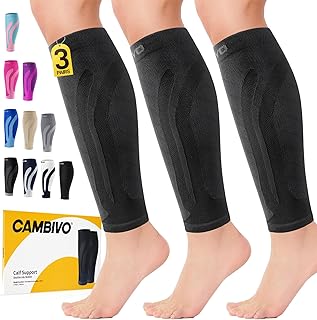
Key Features:
- Graduated 15-20 mmHg compression
- 3-pair value pack
- Breathable, quick-dry material
- Low-profile, footless design
Why We Chose This:
A practical multi-pack that keeps you covered during frequent training cycles — rotate sleeves to extend life and hygiene.
✓ Pros
- Excellent value per pair
- Comfortable for all-day wear
- Machine-washable
✗ Cons
- Sizing can vary between colors
- Not as durable as premium brands
🩺 Key Benefits:
- Daily recovery: Multiple pairs let you wear compression daily while others dry.
- Shin splint prevention: Graduated support reduces impact-related tibial stress.
- Cost-effective: Lower price per sleeve for frequent runners.
- Improved circulation: 15-20 mmHg assists venous return after runs.
⭐ Customer Review Highlight:
“Love having extras—one pair for runs, one for recovery, one in the gym bag.” — Verified Amazon Customer
QUINEAR Air Compression Recovery System (Large)

Key Features:
- Programmable sequential compression
- Multiple intensity levels and modes
- Boots cover foot to thigh
- FSA/HSA eligible for many plans
Why We Chose This:
For runners needing deeper therapy than knit sleeves can provide, this pneumatic system offers adjustable sequential compression to reduce swelling and accelerate metabolic clearance after intense efforts.
✓ Pros
- Powerful, thorough recovery
- Customizable programs
- Good for post-race or injury rehab
✗ Cons
- High price and less portable
- Requires power source and setup time
🩺 Key Benefits:
- Enhanced metabolic clearance: Sequential compression actively moves fluid and metabolic waste from the legs.
- Reduced post-exertion swelling: Adjustable pressure manages edema and inflammatory fluid.
- Improved recovery timeline: Athletes report faster return to training after sessions with pneumatic therapy.
- Custom therapy: Programmable modes allow targeting of calves, thighs, and feet.
- Clinical-grade option: Often used by sports medicine teams and qualifies for FSA/HSA.
⭐ Customer Review Highlight:
“Felt like a pro-level recovery session—my legs recovered noticeably quicker after tempo intervals.” — Verified Amazon Customer
Expert Recommendations
🎯 Who Should Consider Compression Sleeves?
- Everyday runners: Wear graduated sleeves to reduce next-day soreness and speed recovery between workouts.
- Long-distance/marathoners: Use full-leg or pneumatic systems post-race to manage swelling and accelerate recovery.
- Trail and hill runners: Thigh and calf support helps reduce muscle vibration and fatigue from uneven terrain.
- Rehab patients: Wrap-style knee sleeves and pneumatic devices aid tendonitis, meniscus rehab, and post-op recovery under clinician guidance.
💡 Pro Tip:
Measure calf and thigh circumference while muscles are relaxed and consult the brand size chart — a correct fit preserves graduated compression and prevents slippage.
⚠️ Important Note:
Compression can interact with certain medical conditions (peripheral artery disease, deep vein thrombosis, uncontrolled diabetes). Consult your healthcare provider before use.
The Bottom Line
Compression sleeves range from affordable knit calf sleeves to clinical pneumatic systems; the right choice depends on your training load, specific pain points, and budget.
Choose BLITZU Calf Compression Sleeves (Footless) if:
Choose this if you want budget-friendly, daily recovery compression.
Choose TheraCopper Copper Calf Compression Sleeve if:
Choose this if you want durable, odor-resistant sleeves with a secure fit.
Choose QUINEAR Air Compression Recovery System if:
Choose this if you need professional-level sequential therapy and faster recovery after high-volume training.
Start with a sleeve that matches your pain site and training load, and be consistent — proper compression plus rest, nutrition, and sleep will speed recovery.
Frequently Asked Questions
What compression level should a runner use for recovery?
Most runners benefit from 15-20 mmHg for general recovery; 20-30 mmHg or higher is better for more severe swelling or clinical needs but consult a clinician first.
How long should I wear compression sleeves after a run?
Wearing them for 1-4 hours post-run is common; some runners wear them all day after long efforts. Stop if you experience numbness or increased pain.
Can compression sleeves prevent shin splints?
They can reduce symptoms and muscle vibration that contribute to shin splints, particularly when combined with training adjustments and strengthening.
Are copper-infused sleeves better?
Copper can reduce odor and microbial growth, but it doesn't change compression efficacy; choose based on preference for freshness and skin sensitivity.
Is a pneumatic recovery system worth the investment?
For high-mileage runners or those needing advanced rehab, pneumatic systems provide deeper, programmable therapy and can speed recovery significantly.
How do I care for compression sleeves?
Hand wash or use a gentle machine cycle in a laundry bag, avoid heat drying, and replace sleeves when elasticity declines to maintain therapeutic compression.
Important Disclaimers
Affiliate Disclosure: We are a participant in the Amazon Services LLC Associates Program, an affiliate advertising program designed to provide a means for us to earn fees by linking to Amazon.com and affiliated sites.
Medical Disclaimer: This article is for informational purposes only and does not constitute medical advice. Always consult with a qualified healthcare professional before starting any treatment.


