The 8 Best Olympic Weightlifting Shoes of 2026
An empathetic buying guide to help lifters at every level find stable, comfortable shoes for safe, stronger Olympic lifts.
Quick Comparison: Top 8 Olympic Weightlifting Shoes
Our Top Picks
Detailed Product Reviews
Grounded Barefoot Training Shoes — Wide Toe Box, Zero Drop

Key Features:
- Zero-drop sole for natural foot position
- Wide toe box to encourage toe splay
- Lightweight, quick-dry mesh upper
- Thin grippy outsole for bar feel
Why We Chose This:
We chose these for lifters who prefer maximal ground feel and natural foot mechanics while pressing and deadlifting. The wide toe box and zero-drop sole support stability without an elevated heel.
✓ Pros
- Excellent ground contact
- Comfortable for wide feet
- Breathable and fast-drying
- Affordable
✗ Cons
- Not ideal for high-bar Olympic snatches
- Limited structured heel support
🩺 Key Benefits:
- Improved proprioception: Thin sole increases sensory feedback for better balance during pulls.
- Toe splay support: Wide toe box reduces forefoot crowding, improving stability.
- Versatility: Works for lifting, metcons, and walking—one shoe for multiple workouts.
- Lightweight comfort: Minimal cushioning reduces fatigue for longer sessions.
⭐ Customer Review Highlight:
“Feels like I'm standing on the floor, not on a block — great for deadlifts and general training.” — Verified Amazon Customer
MEGIN Elevated Deadlift Shoe — Heel-Forward Lifting Shoe

Key Features:
- Moderate heel elevation for improved squat depth
- Non-slip flat sole for drive
- Secure midfoot strap for lockdown
- Durable synthetic upper
Why We Chose This:
This shoe performs well for lifters who want a minimal but supportive heel elevation and a flat non-compressible sole for maximal force transfer in deadlifts and squats.
✓ Pros
- Secure lockdown
- Good heel height for squatting
- Affordable price point
- Non-slip outsole
✗ Cons
- Less breathable materials
- Heavier than minimalist options
🩺 Key Benefits:
- Better ankle mechanics: Heel elevation helps achieve deeper squat positions with less ankle mobility strain.
- Force transfer: Firm sole reduces energy loss during heavy lifts.
- Stability under load: Lockdown strap keeps foot secure during explosive lifts.
- Durability: Reinforced upper stands up to gym wear.
⭐ Customer Review Highlight:
“Gives me the extra pop for my squats without feeling like I'm on unstable heels.” — Verified Amazon Customer
Powerlift 5 Unisex Weightlifting Shoes

Key Features:
- Firm, slightly elevated heel for squat mechanics
- Wide stable outsole
- Hook-and-loop midfoot strap
- Durable synthetic leather upper
Why We Chose This:
We picked the Powerlift-style shoe as the best overall for combining affordability, stability, and a tried-and-true heel height that helps clean and jerk and snatch technique for most lifters.
✓ Pros
- Excellent value
- Stable and durable
- Secure fit for heavy loads
- Versatile for most lift types
✗ Cons
- Not as specialized for wide feet
- Slight break-in required
🩺 Key Benefits:
- Consistent foot position: Elevated heel standardizes ankle angle for cleaner squats and jerks.
- Improved drive: Stiff midsole channels force to the floor efficiently.
- Secure fit: Strap plus laces reduce foot slip during reps.
- Durable construction: Materials hold up under frequent heavy use.
⭐ Customer Review Highlight:
“Solid shoe for snatches and jerks — reliable and comfortable after a short break-in.” — Verified Amazon Customer
MANUEKLEAR Professional Weightlifting Shoe

Key Features:
- High-density heel block for consistent elevation
- Dual strap system for locked-in fit
- Rubber non-slip outsole
- Reinforced toe and heel panels
Why We Chose This:
This model stood out for lifters who need a highly supportive heel block, excellent lockdown, and a grippy outsole for heavy Olympic movements and squats.
✓ Pros
- Very secure fit
- Stable, high-density heel
- Excellent traction
- Supportive for heavy singles
✗ Cons
- Less forgiving for casual wear
- Heavier than minimalist options
🩺 Key Benefits:
- Consistent heel height: Rigid heel block maintains the same ankle angle rep after rep.
- Superior lockdown: Dual straps keep forefoot and midfoot immobile under load.
- Traction: Non-slip rubber improves start-of-lift stability.
- Durability: Reinforcements prevent wear from belt rub and plate contact.
⭐ Customer Review Highlight:
“Built like a tank — perfect for PR attempts and heavy training blocks.” — Verified Amazon Customer
Outwork Flat & Stable Weightlifting Shoe

Key Features:
- Carbon rubber outsole for grip
- Low-profile flat sole for deadlifts
- Reinforced midsole for stability
- Anti-slip tread pattern
Why We Chose This:
We chose this model for athletes who favor minimal heel elevation and need sticky rubber underfoot for aggressive bar contact during pulls and squats.
✓ Pros
- Excellent outsole traction
- Stable flat platform
- Comfortable fit
- Good under heavy loads
✗ Cons
- Less heel elevation for those who require it
- Bulkier than minimalist shoes
🩺 Key Benefits:
- Direct force transfer: Low-profile sole reduces energy loss in deadlifts and squats.
- Grip: Carbon rubber improves foot-to-floor traction during starts.
- Stability: Firm midsole reduces midfoot flex under load.
- Comfort: Padded collar for longer training sessions.
⭐ Customer Review Highlight:
“Sticky outsoles give me confidence on heavy deadlifts—no slipping even when sweaty.” — Verified Amazon Customer
Women's Barefoot Training Sneakers — Zero Drop

Key Features:
- Female-specific last for narrower heel fit
- Zero-drop outsole for natural stance
- Breathable knit upper
- Lightweight and flexible
Why We Chose This:
Chosen for women who want a zero-drop option with a narrower heel and a comfortable upper that still offers enough stability for lighter Olympic movements and accessory work.
✓ Pros
- Good fit for narrow heels
- Light and breathable
- Natural foot positioning
- Affordable
✗ Cons
- Less structured for heavy singles
- Limited color/size options
🩺 Key Benefits:
- Natural alignment: Zero drop promotes a neutral foot position for squats and deadlifts.
- Comfort: Knit upper reduces hot spots and blisters.
- Multi-use: Works for lifting, HIIT, and daily wear.
- Lightweight: Minimal weight reduces fatigue during volume training.
⭐ Customer Review Highlight:
“Finally a minimalist shoe that fits my narrow heel—great for accessory days.” — Verified Amazon Customer
Flux Adapt Graphene XT — Wide Toe Box Cross-Trainer
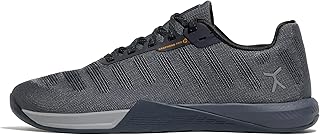
Key Features:
- Graphene-infused outsole for superior grip
- Wide toe box for natural toe spread
- Ballistic mesh upper for breathability and durability
- Zero to minimal drop for ground feel
Why We Chose This:
This model impressed with advanced materials that balance grip, durability, and a natural foot platform—excellent for lifters who mix Olympic lifts with dynamic conditioning.
✓ Pros
- Outstanding grip
- Durable upper material
- Wide toe box and comfort
- Versatile for lifting and metcon
✗ Cons
- Higher price point
- Softer midsole than pure lifting shoes
🩺 Key Benefits:
- Superior traction: Graphene outsole increases grip on rubber and platforms.
- Durability: Ballistic mesh resists abrasion in heavy training.
- Foot comfort: Wide toe box reduces forefoot compression during heavy sets.
- Versatility: Performs for Olympic lifts and high-intensity intervals.
⭐ Customer Review Highlight:
“Grip is unreal — they stick to the platform and feel tough enough for daily hard training.” — Verified Amazon Customer
Dropset 4 Training Sneakers — Black

Key Features:
- Affordable price for entry-level lifters
- Moderate heel height to assist squat depth
- Cushioned collar for comfort
- Durable outsole designed for gym floors
Why We Chose This:
Selected as a practical starter shoe with a modest heel and stable platform—great for learners building technique without spending a premium.
✓ Pros
- Budget-friendly
- Comfortable for extended wear
- Stable underfoot
- Pleasant fit for many foot shapes
✗ Cons
- Not as rigid for maximal lifts
- Less specialized traction
🩺 Key Benefits:
- Accessible entry point: Low cost allows beginners to try lifting shoes without big investment.
- Support for learning lifts: Modest heel helps establish squat depth and posture.
- Comfort: Padded collar reduces irritation during longer sessions.
- Durable for gym use: Outsole holds up to regular training and plate contact.
⭐ Customer Review Highlight:
“Solid starter shoe — comfy and supportive for learning my clean technique.” — Verified Amazon Customer
Expert Recommendations
🎯 Who Should Consider Olympic Weightlifting Shoes?
- Competitive Olympic lifters: Need rigid, consistent heel height and a locked-in fit for precise technique and heavy lifts.
- Recreational lifters: Benefit from shoes that add stability and protect joints during squats and deadlifts.
- Cross-trainers: Should choose versatile models that balance grip, durability, and minimal cushioning for mixed sessions.
- Beginners: Can start with budget or flat options to learn form before investing in specialized footwear.
💡 Pro Tip:
Try shoes with the socks you'll lift in and test heel height with an empty bar first to confirm ankle comfort and squat depth.
⚠️ Important Note:
If you have foot pain, prior injuries, or medical conditions affecting balance, consult a healthcare professional before switching footwear or beginning a new lifting program.
The Bottom Line
Choosing the right Olympic weightlifting shoe depends on your goals: heel height, sole rigidity, and fit are the top priorities. Pick a model that supports your technique and training volume.
Choose Powerlift 5 Unisex Weightlifting Shoes if:
Choose this if you want the best overall balance of stability, price, and versatility for Olympic lifts.
Choose MANUEKLEAR Professional Weightlifting Shoe if:
Choose this if you train heavy and need premium lockdown, traction, and a high-density heel block.
Choose Flux Adapt Graphene XT if:
Choose this if you want cutting-edge materials, exceptional grip, and a wide toe box for mixed lifting and conditioning.
Find a shoe that feels stable, fits securely, and lets you focus on safe technique—your lifts will follow.
Frequently Asked Questions
What heel height is best for Olympic weightlifting?
Most Olympic lifters prefer a 6–12 mm heel to assist ankle dorsiflexion and achieve upright torso positions; choose lower heels or zero-drop if you have excellent ankle mobility or prefer a more natural stance.
Are weightlifting shoes good for deadlifts?
Flat or minimal-heel shoes are generally better for deadlifts because they reduce the bar-to-foot distance; high-heeled shoes can increase range of motion and may make heavy deadlifts harder.
How should a weightlifting shoe fit?
It should fit snugly in the heel and midfoot with minimal forefoot squeeze—secure lockdown prevents the foot from sliding during explosive lifts.
Do I need separate shoes for CrossFit and Olympic lifting?
If you do both frequently, a versatile cross-trainer with a stable platform and good traction works; however, dedicated Olympic shoes offer better heel geometry and rigidity for technical lifts.
How do I break in rigid lifting shoes?
Wear them during lighter technique sessions first, use short warm-ups and mobility work, and gradually increase load so the foot adapts without pain.
Can I wear lifting shoes for everyday wear?
Most weightlifting shoes are rigid and not designed for long-distance walking; minimalist or crossover options are better if you need an all-day shoe.
Important Disclaimers
Affiliate Disclosure: We are a participant in the Amazon Services LLC Associates Program, an affiliate advertising program designed to provide a means for us to earn fees by linking to Amazon.com and affiliated sites.
Medical Disclaimer: This article is for informational purposes only and does not constitute medical advice. Always consult with a qualified healthcare professional before starting any treatment.


